Shrimp Drunken Noodles: A Seafood Twist on a Classic
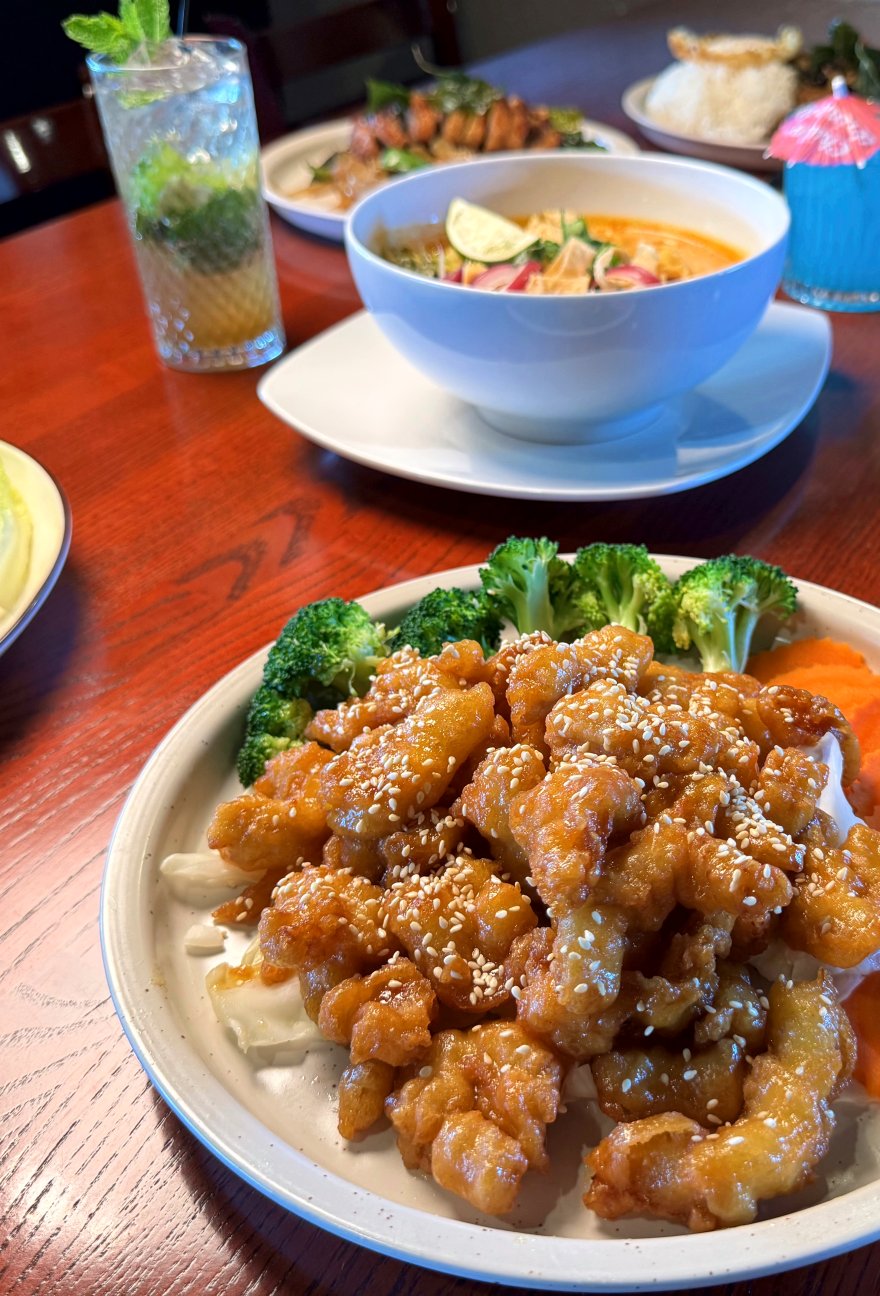
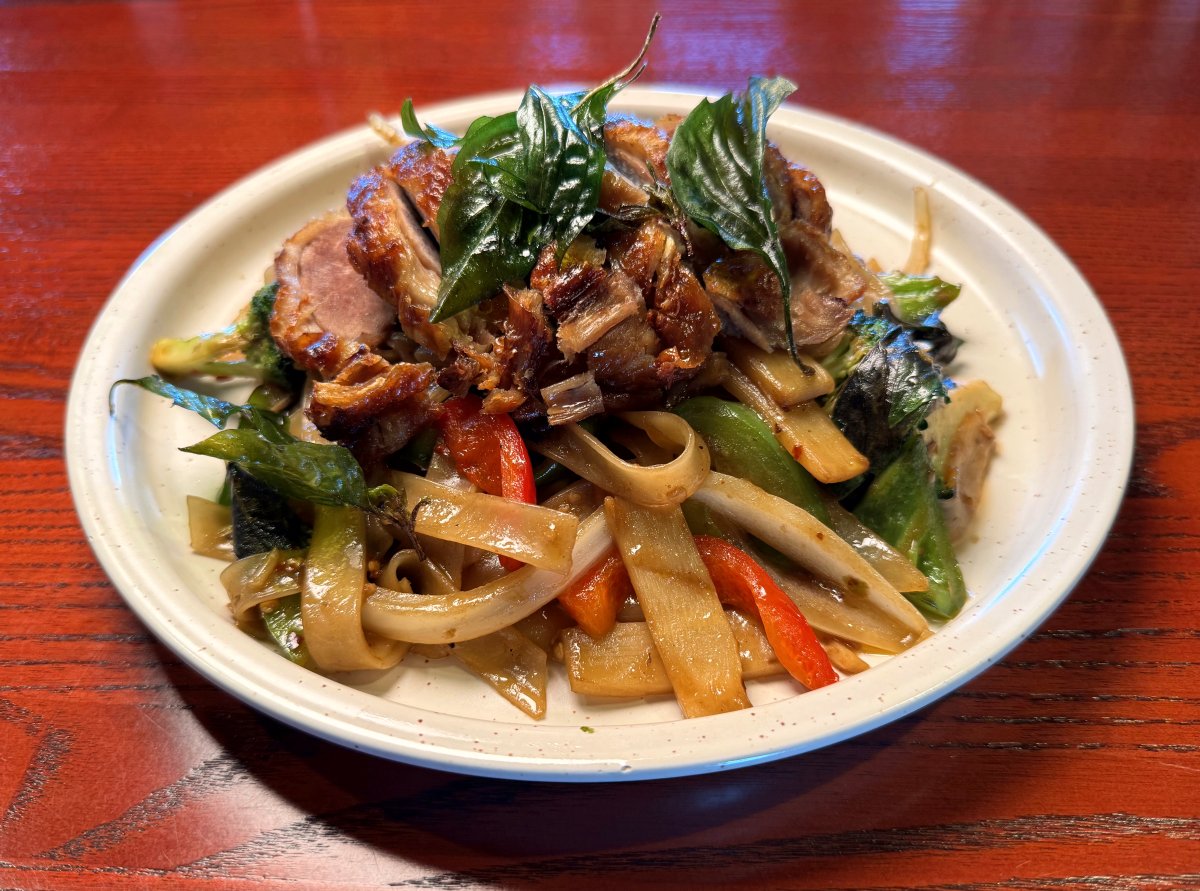
There are some dishes that earn a permanent place in a weeknight rotation because they hit every mark at once. They are fast, vivid, satisfying, and just flexible enough to absorb what is already in the kitchen. Shrimp drunken noodles belongs squarely in that category. It carries the broad, slippery rice noodles and savory, spicy, sweet balance people love in classic Drunken Noodles, but the shrimp brings a cleaner, brinier character that changes the dish in a meaningful way. It feels lighter than versions made with chicken or beef, yet no less substantial.
That matters more than it sounds. Drunken Noodles can drift into heaviness if the sauce turns overly sweet or the noodles clump into a dense mass. Shrimp keeps the plate lively. It cooks in a matter of minutes, absorbs flavor quickly, and leaves room for basil, chilies, garlic, and vegetables to stay distinct rather than getting buried under richness. When this dish is done well, every forkful tastes like heat, smoke from the wok, sweetness from the sauce, a little funk from fish sauce, and the fresh lift of basil at the end.
It is also one of those recipes that rewards technique more than complexity. The ingredient list is not difficult, but timing is everything. If the noodles soak too long, they tear. If the pan is not hot enough, the shrimp steams. If the basil goes in too early, its perfume fades before it reaches the table. These are small details, but they separate a glossy, restaurant-style plate from something flat and sticky.
What makes drunken noodles different
The first thing to understand is that Drunken Noodles is not just pad see ew with chilies, nor is it simply any stir-fry made with wide rice noodles. The personality of the dish comes from contrast. It should be savory but not dull, spicy but not punishing, sweet enough to round out the edges but never candy-like. Wide rice noodles are central because they catch sauce in folds and char beautifully where they touch the pan. Thai basil, or a similar aromatic basil if that is what you can find, gives the dish its unmistakable finish.
There is often confusion around the name. Depending on who is telling the story, the dish is either ideal after a late night out or bold enough to pair with drinking. The practical takeaway is more useful than the folklore. Drunken Noodles should taste assertive. This is not a shy noodle dish. It asks for garlic, fresh chili, and enough heat in the pan to create a little edge on the noodles.
Shrimp fits naturally into that framework because it does not fight the sauce. Beef brings heft, chicken brings familiarity, but shrimp contributes sweetness and salinity that reinforce the existing flavor profile. It also lets vegetables remain prominent. Bell peppers, onion, Chinese broccoli, green beans, or even zucchini can all work without the dish feeling crowded.
Why shrimp works so well here
Shrimp has a short cooking window, which is both its advantage and its risk. In a noodle stir-fry, speed is power. A protein that cooks in two or three minutes leaves more control over the final texture. You can sear it quickly, pull it out, build the aromatics, toss the noodles, then return the shrimp at the end. That sequence protects it from overcooking and keeps the stir-fry moving.
The flavor is another reason. Good shrimp brings a sweet, almost mineral freshness that plays exceptionally well with fish sauce and oyster sauce. It does not need much help. In fact, one of the most common mistakes with shrimp drunken noodles is over-marinating or over-seasoning the shrimp itself. The sauce is already doing heavy lifting. A light touch gives better results.
Size matters too. Medium to large shrimp, roughly 21 to 30 count per pound or 16 to 20 count per pound, are usually ideal. Very small shrimp disappear among the noodles, while jumbo shrimp can feel clumsy unless they are sliced in half. If I am cooking for a family dinner, I often choose peeled and deveined large shrimp with tails removed. It makes the dish easier to eat, and a noodle stir-fry should never force anyone to wrestle with their plate.
Fresh or frozen both work. In many home kitchens, frozen shrimp is the smarter buy because it is often frozen close to harvest and easier to store. The key is thawing it gently and drying it thoroughly. Moisture is the enemy of a proper stir-fry. Even a few tablespoons of excess water can cool the pan enough to shift the whole dish from seared to soggy.
The ingredients that deserve real attention
A lot of recipes present stir-fries as if every ingredient is interchangeable. Some flexibility is fine, but a few elements are worth seeking out because they define the dish.
Wide rice noodles are the backbone. Fresh wide rice noodles have the best texture if you can find them, but dried wide rice noodles are more common and still excellent. What matters is avoiding over-soaking. They should be pliable, not mushy, before they ever touch the wok. Once they hit the pan, they continue to soften.
The sauce typically relies on a combination of oyster sauce, soy sauce, fish sauce, and a little sugar. Some cooks add dark soy sauce for color. That can be useful, especially if the noodles look pale, but too much can muddy the flavor. Fish sauce provides depth, not just salt. If you skip it entirely, the dish loses some of its signature complexity.
Garlic and fresh chili are non-negotiable if you want the dish to taste alive. Pre-minced garlic in a jar lacks the sharpness this stir-fry needs. For chilies, Thai bird’s eye chilies are classic, but any fresh hot chili can work if adjusted carefully. It is easier to add heat https://judahaufv320.wpsuo.com/restaurant-secrets-for-perfect-drunken-noodles than to take it away.
Thai basil is worth buying when possible. Italian basil can stand in, but it reads sweeter and softer. Thai basil has a faint anise edge that cuts through the sauce and the heat. Added at the end, it perfumes the entire plate.
If I were stocking a pantry and fridge specifically for a strong batch of shrimp drunken noodles, these are the items I would prioritize:
- Wide rice noodles
- Shrimp, peeled and deveined
- Oyster sauce, fish sauce, and soy sauce
- Fresh garlic and fresh chilies
- Thai basil and a crisp vegetable such as Chinese broccoli or bell pepper
That is not the entire recipe, but it is the core. Once those pieces are in place, the dish starts to take shape.
Building the sauce without making it cloying
Sauce ratios can become a point of obsession, and there is a reason for that. Stir-fried noodles go from underseasoned to overly salty faster than most pasta dishes because there is less time to adjust. The best approach is to mix the sauce before turning on the heat and keep the balance slightly restrained. As it reduces in the pan, it becomes more concentrated.
A typical starting point for about 8 to 10 ounces of dried rice noodles and around 1 pound of shrimp might be a few tablespoons of oyster sauce, a couple tablespoons of soy sauce, a tablespoon or two of fish sauce, and 1 to 2 teaspoons of sugar. Some cooks add a splash of water or stock to help distribute the sauce evenly. That is useful if the noodles are a little stiff, but I would rather add water sparingly during cooking than begin with a sauce that is too loose.
The common trap is sweetness. Restaurant noodle dishes sometimes lean sweet because sugar gives immediate appeal and helps gloss the noodles. At home, it can quickly become sticky and one-note. Shrimp already brings natural sweetness, so the sugar should support, not dominate. The dish should taste savory first.
If you enjoy deeper caramel notes, a small amount of dark soy sauce can improve color and complexity. The word small matters. It can overwhelm the more delicate seafood profile if poured freely.
Technique is the real recipe
This is one of those dishes where mise en place is not optional. Once the pan is hot, there is no time to search for basil or measure fish sauce. Everything should be trimmed, mixed, and within reach before cooking starts.
The pan should be as hot as your setup allows without creating chaos. A carbon steel wok is ideal, but a large stainless steel or cast iron skillet can still do the job. The goal is not theatrical flames. The goal is enough heat to evaporate moisture quickly and create browning before the noodles turn soft.
I usually start by patting the shrimp very dry and seasoning it lightly with a pinch of salt or a tiny splash of soy sauce. Then it goes into a thin film of hot oil for a quick sear. The shrimp should not be cooked all the way through at this stage. The moment the exterior turns opaque and lightly golden in places, it comes out.
Then come the aromatics. Garlic and chili need only seconds. This is where a lot of home cooks hesitate, but quick confidence matters. Garlic that barely cooks tastes raw and harsh. Garlic that sits too long turns bitter. The sweet spot is fragrant and just beginning to color.
Vegetables go in next, starting with anything firm enough to benefit from direct heat. Bell peppers, onions, and Chinese broccoli stems can take a minute or two. More tender leaves can wait. Then the noodles enter the pan. If using fresh noodles, separate them gently before adding. If using dried noodles that have been soaked, loosen them so they do not land in a compact block.
The sauce follows quickly, and this is where tossing rather than stirring helps. You want the noodles coated and heated through, not mashed. Return the shrimp when the noodles have absorbed most of the sauce, then add basil at the very end and fold just until wilted. The residual heat will do the rest.
Fresh noodles versus dried, and why it changes the result
Fresh rice noodles offer the most luxurious texture. They are supple, broad, and particularly good at picking up char. In the best case, they create the kind of noodle dish that feels restaurant-quality almost immediately. The downside is fragility. They can break if handled too aggressively, and if they arrive cold and stuck together, separating them can be fussy.
Dried noodles are more forgiving from a storage standpoint and easier for most home cooks to keep on hand. They just require attention in the soaking stage. Package directions often suggest a full soak or even boiling, but I have found that stopping slightly short gives more control. If the noodle feels nearly ready, with just a little firmness in the center, it will usually finish perfectly in the pan with the sauce.
This matters because shrimp leaves little margin for delay. With chicken or beef, you can buy a few extra moments by letting the protein stay in the pan. Shrimp does not offer that luxury. If the noodles are not ready when needed, the whole timing chain slips.
Vegetables that complement rather than compete
Vegetables should bring texture and freshness, not turn the dish into a refrigerator clean-out. Chinese broccoli is a classic match because its slight bitterness balances the sweet-savory sauce. Bell peppers add color and crunch, especially red or yellow. Onion softens into the sauce and helps carry heat from the chilies. Green beans can work well if cut small and cooked until just tender.
The temptation is to overload the wok, especially when trying to make the dish feel more substantial. That usually backfires. Too many vegetables release too much moisture, which lowers the heat and dilutes the sauce. A restrained hand produces a better stir-fry. Think of vegetables here as accents with real purpose, not filler.
If I am cooking for people who want a bit more bulk without losing the dish’s identity, I tend to increase the noodles and basil rather than doubling the vegetable load. The plate still feels generous, but the texture stays true.
Common mistakes that change the dish for the worse
The problems that show up most often are not dramatic. They are small missteps that stack on top of one another. A little too much moisture in the shrimp, a little too much sugar in the sauce, a pan that never gets quite hot enough, noodles soaked five minutes too long. Each seems minor. Together, they flatten the dish.
These are the mistakes worth watching for:
- Crowding the pan, which causes steaming instead of stir-frying
- Overcooking the shrimp before it returns to the noodles
- Soaking dried noodles until fully soft before they hit the pan
- Using too much sauce, which leaves the noodles heavy and wet
- Adding basil too early, which dulls its aroma
The fix for most of these is planning, not special equipment. Work in batches if needed. Keep the sauce measured. Dry the shrimp well. Trust that the noodles need less pre-cooking than you think.
Heat level, balance, and how to adjust for real diners
One practical challenge with Drunken Noodles is that households vary widely in how much spice they actually enjoy. Some people say they love heat, then struggle after two bites. Others want the dish to have a serious kick. Shrimp makes that balance even more noticeable because its flavor is more delicate than beef or pork.
My preference is to build moderate heat into the pan with fresh chilies, then offer extra sliced chili or chili vinegar at the table. That preserves the dish’s integrity while letting people steer their own plate. If cooking for children or spice-sensitive guests, you can still make a strong version by leaning on black pepper, garlic, and basil while reducing the fresh chili. It will not be traditional in the strictest sense, but it will remain flavorful.
Acidity is another adjustment point that often gets overlooked. A squeeze of lime is not always standard in every version, but it can brighten a batch that tastes a little heavy or overly sweet. I would not build the whole sauce around lime juice, yet a small hit at the end can sharpen everything beautifully.
Serving it well at home
Shrimp drunken noodles is at its best the moment it leaves the pan. That does not mean it cannot be served casually, only that timing matters. Warm plates help. A platter works if you are bringing it family-style to the table, but I usually prefer serving directly into bowls or shallow plates so the noodles do not continue steaming in a pile.
This is not a dish that needs many side items. A crisp cucumber salad, a cold beer, or sparkling water with lime is enough. If you serve too many accompaniments, the main event loses some force. The goal is to let the noodles arrive hot and fragrant, with the basil still lifting off the plate.
Leftovers are acceptable, though never quite the same. Rice noodles tend to firm up in the refrigerator, and shrimp can tighten when reheated. If you do have leftovers, reheat quickly in a hot pan with a spoonful of water rather than microwaving them into submission. The noodles loosen more evenly, and the shrimp has a better chance of staying tender.
The small details that make it taste restaurant-worthy
People often assume restaurant flavor comes from some secret ingredient, but in stir-fried noodles it is usually a stack of practical choices. Strong heat. Minimal moisture. Enough oil to coat without greasing the plate. A sauce mixed in advance. Basil added at the last possible moment. These do not sound glamorous, but they matter more than exotic pantry additions.
Another quiet upgrade is restraint with the shrimp. A pound of shrimp for a family-sized batch is usually plenty. More than that can crowd the noodles and make the dish feel like a protein platter with starch attached. Drunken Noodles should still be a noodle dish at heart. The shrimp is the star, but not the only one on stage.
Texture is the final piece. The best versions have contrast, tender shrimp, chewy noodles, softened vegetables, a few charred edges, and basil leaves that are wilted but still recognizable. When every component lands in the same soft zone, the dish becomes forgettable. When those textures stay distinct, the plate tastes alive.
A dish worth learning once, then cooking by feel
There is a point with recipes like this when strict measurement becomes less useful than instinct. After making shrimp drunken noodles a few times, you start to notice cues that matter more than tablespoons. The smell of garlic right before it turns. The way the noodles loosen when they are ready for sauce. The exact moment shrimp changes from translucent to opaque. The perfume that rises when basil hits the pan.
That is when the dish becomes truly dependable. Not because it is simplistic, but because you understand its rhythm. You know when to push the heat and when to back off. You know when a splash of water will rescue tight noodles and when it will ruin the char. You know that seafood asks for a lighter hand than beef, and that this lighter hand is precisely what makes the shrimp version so good.
Shrimp Drunken Noodles earns its place by delivering big flavor without demanding a long project. It feels lively, modern, and grounded in solid technique rather than fuss. When the noodles are glossy, the shrimp is just cooked through, and the basil still smells fresh enough to fill the room, it is hard to imagine wanting much else for dinner.
Nakhon Luang Thai Kitchen
Address: 805 Village Center Dr, Colorado Springs, CO 80919
Phone number: +17195315175
FAQ About Drunken Noodles
What makes it drunken noodles?
Drunken noodles, or Pad Kee Mao, get their name from the Thai word khi mao (meaning "drunkard"). They contain no alcohol. The name comes from the idea that the dish is a popular late-night meal to cure a hangover or a great food to eat with a cold beer.
What is the difference between pad see ew and drunken noodles?
While both Pad See Ew and Drunken Noodles use the same wide rice noodles, Pad See Ew is a mild, sweet-savory dish made with dark soy sauce and Chinese broccoli, whereas Drunken Noodles (Pad Kee Mao) are fiery, garlicky, and herbaceous with fresh chilies and Thai basil.
What are traditional drunken noodles?
Traditional drunken noodles, known as Pad Kee Mao in Thai, are a fiery, savory street food stir-fry made with wide flat rice noodles, fresh garlic, lots of hot chilies, meat or tofu, and fragrant holy basil. Despite the name, they contain no alcohol; the dish is traditionally eaten late at night or as a hangover cure because the intense spice helps clear the head.